
|
(10 minute read) Which Cups, Cans, and Bottles have Plastic Liners, and Which Ones Don't?Many supposedly "eco-friendly" cups, cans, and bottles actually use a plastic liner on the inside. In addition to eventually ending up in landfills and adding to the growing microplastic problem, there are legitimate concerns over whether these plastic liners are healthy with long-term use. In this post, we'll take a closer look to learn more about the plastic liners hidden in many common cups, cans, and bottles so you can make a more informed decision. What's Next?
Video Review: Which Bottles have Plastic Liners?If videos are more your thing, check out my Youtube video that covers most of the same information. Amazon Disclaimer Some links are provided below to products mentioned in this post. If you find this information helpful, I hope you'll consider using a link to buy. We're part of the Amazon Associates program, and if you click a link then purchase, I earn a small commission at no extra cost to you. It's the main way I can continue to provide detailed, unbiased reviews without relying on direct sponsorships. Thank you! Which Cups, Cans, and Bottles have Plastic Liners?There are three types of popular containers that most people consider eco-friendly or plastic-free that actually have a plastic liner hidden on the inside.
Experiment Setup We're going to use a bit of science to find the plastic liner hidden in each of these containers. Drain cleaner contains sodium hydroxide, which reacts with raw aluminum to dissolve it, leaving the plastic liner behind. It also can saturate the paper in the paper cup, which eventually lets you peel it away. What I used:
Total cost: ~$50 (mostly the Sigg) Safety Notice! Drain cleaner is a very caustic (basic) mixture that includes sodium hydroxide and sodium hypochlorate (bleach). These chemicals are very dangerous if used improperly. Always follow all safety requirements and recommendations from the manufacturer, including but not limited to gloves, safety goggles, and close-toed shoes. Also, be sure to do this in a well-ventilated space. I did the experiment outside and placed a large plastic tote over everything when I was away from the experiment.
The Hidden Plastic Liner in an Aluminum Can (90 Minutes After Starting)
At this point the cup looked saturated, but the paper still had a lot of strength to it. The aluminum bottle looked unchanged. The Hidden Plastic Liner in a Paper Cup (4 Days After Starting)
The Sigg aluminum bottle had started dissolving, but I let it go a few more days. The Hidden Plastic Liner in an Aluminum Sigg Bottle (7 Days After Starting)
Are Plastic Liners in Paper Cups, Soda Cans, and Aluminum Bottles Safe?So now you've seen the plastic liner on these three containers, and it's a practical and inexpensive way for manufacturers to offer drinks. But the question is, is it safe? This is where it gets a little murky. It's worth noting that all of the plastic liners you've seen in this video are classified as food safe. However, plastic containers have a long, troubled history with our health, usually after research over decades indicates that certain chemicals commonly used in plastics can have negative effects on your health. BPAs and Phthalates BPAs and phthalates were all in the news in the late 2000s because of their effects on hormone regulation in your body, and that's what fueled the public's transition away from reusable plastic bottles like Nalgenes to stainless steel ones like Klean Kanteens. Interestingly, Sigg was a haven at first for many Nalgene refugees, but then it came out that the company had used misleading marketing that made many loyal customers believe it was BPA-free when in fact it wasn't. And they only changed their formulation around 2008 after a lot of public backlash. PFAS and Microplastics More recently the spotlight is on PFAS and microplastics. PFAS usually deals more with non-stick coatings like Teflon and isn't as relevant for bottles as far as I've read. You'd actually be more likely to have PFAS in your water supply, and you can see my deep dive into that topic in this other video. Microplastics on the other hand are almost definitely a problem with any of these because just think about what happens when you throw them away. The paper will probably dissolve relatively quickly while the aluminum will take much longer to corrode, but either way you still have a plastic liner. I suspect it will eventually break down into smaller and smaller pieces, contributing further to the microplastic problem in the environment. Multiply that by every restaurant, gas station, and all the other places you find them, and that's a lot of plastic being thrown away in cups, cans, and bottles that most people think are plastic free. Which Bottles Avoid Plastic LinersSo what can you do? When it comes to disposable paper cups and aluminum cans, it's best to avoid them as much as possible. You could recycle them, but the inefficiencies and issues with recycling programs in general could be the topic of a much longer post. The sad fact is that many things we think are recycled end up just being thrown away. Case in point, the Subway where I got the cup for this experiment has the typical trash can near the door that's inside a cabinet. There are two holes on top, one for trash and one for recycling. But if you look inside, both holes drop into the same trash bin. Bottles without Plastic Liners The best options that avoid plastic liners are stainless steel and glass bottles. No stainless steel bottles I'm aware of have a plastic liner, so going with popular brands like Owala, YETI, Stanley, or Hydro Flask is a great option. Unless you have a nickel allergy, it's a really safe bet. Glass does not contain plastic at all, and there are a bunch of those to choose from including Lifefactory, Ello, and W&P Porter.
Which Bottles Avoid Plastic Under the Lid? If you really want to go all out and limit plastic contact with your water as much as possible, you could also look for a bottle with stainless steel under the lid.
Unfortunately, this seems to be a growing sub-product niche that hasn't gone mainstream yet, and I've seen quite a few brands and options with stainless steel under the lid that have come-and-gone. Some of the links above were out of stock when I wrote this article, but I'm hoping they'll be back in stock soon so I still left the links in so you can check them yourself.
Hope this helps, and happy hydrating!
0 Comments
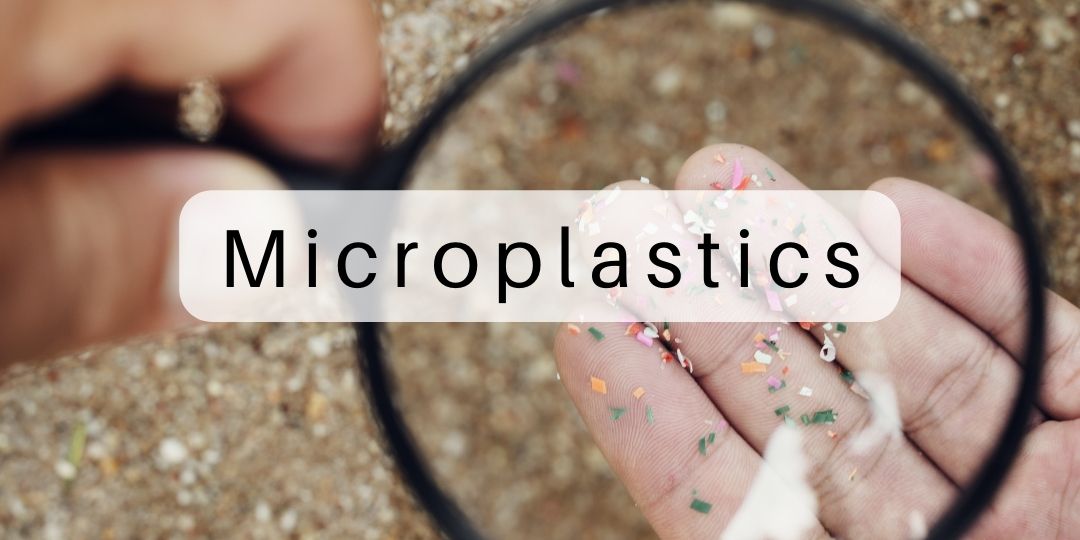
There is a growing level of concern and awarness about microplastics in water, but a new study suggests that boiling water may remove many of these tiny particles. What are Microplastics and Nanoplastics?If you have not heard of microplastics in the past, the National Oceanic and Atmospheric Administration gives a quick recap here. (or just google "what are microplastics" and it should come up near the top of the list). Essentially, microplastics are small pieces of plastics that are less than 5 millimeters long. They are caused when small plastics are washed away or discarded, and they can also be created when larger plastics break down over time. The widespread use of plastics combined with the difficult of filtering these small pieces has caused to them to become increasingly prevalent and widespread in our drinking water, lakes, and oceans. And as you might expect, nanoplastics are similare but are even smaller. Some microplastics with common examples include:
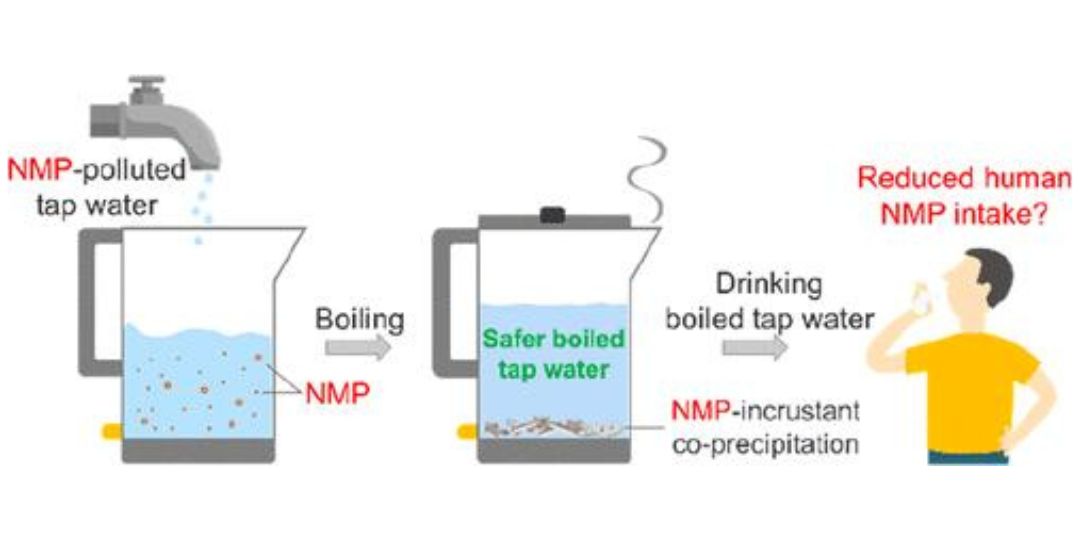
Does Boiling Water Remove Microplastics?The experiment is titled "Drinking Boiled Tap Water Reduces Human Intake of Nanoplastics and Microplastics." According the the abstract, the authors claim to: "present evidenence that polystyrene, polyethylene, and polypropylene NMPs can coprecipitate with calcium carbonate (CaCO3) incrustants in tap water upon boiling. Boiling hard water (>120 mg L–1 of CaCO3) can remove at least 80% of polystyrene, polyethylene, and polypropylene NMPs size between 0.1 and 150 μm. Elevated temperatures promote CaCO3 nucleation on NMPs, resulting in the encapsulation and aggregation of NMPs within CaCO3 incrustants." Essentially, this means that boiling water causes the plastics to combine with calcium cabonate (aka the "hard" in "hard water" that is in most people's homes), then the combined particles then drop to the bottom, leaving a layer of cleaner water on top. I do not have full access to the article, but I would expect two followup questions should be considered that weren't covered in the abstract.
At BottlePro, we keep an eye out for hydration and water bottle news, then we summarize it and post it here. Check back with us to stay in the loop!
|
Follow us for more hydration-focused updates!
Try searching for things like "infusers" or "Hydro Flask".
Categories
All
Archives
December 2025
Amazon Associates ProgramBottlePro is part of the Amazon Services LLC Associates Program. We strive to provide helpful information and product recommendations, and we receive a commission on purchases made after you click through our links.
|